
Why an Inspector’s Experience Matters — And Why a Strong Electrical Background Makes a Difference
When choosing a home inspector, most buyers and sellers focus on price, availability, or reviews. While those factors matter, one of the most important—and often overlooked—criteria is an inspector’s professional background and hands-on experience.
Not all inspection experience is created equal. An inspector’s trade background directly influences how problems are identified, understood, and explained. This is where experience truly matters.
Experience Beyond the Checklist
Home inspections are not simply about filling out a report or pointing out visible defects. They are about understanding how a house actually works—how systems interact, where failures commonly occur, and which issues are minor versus significant.
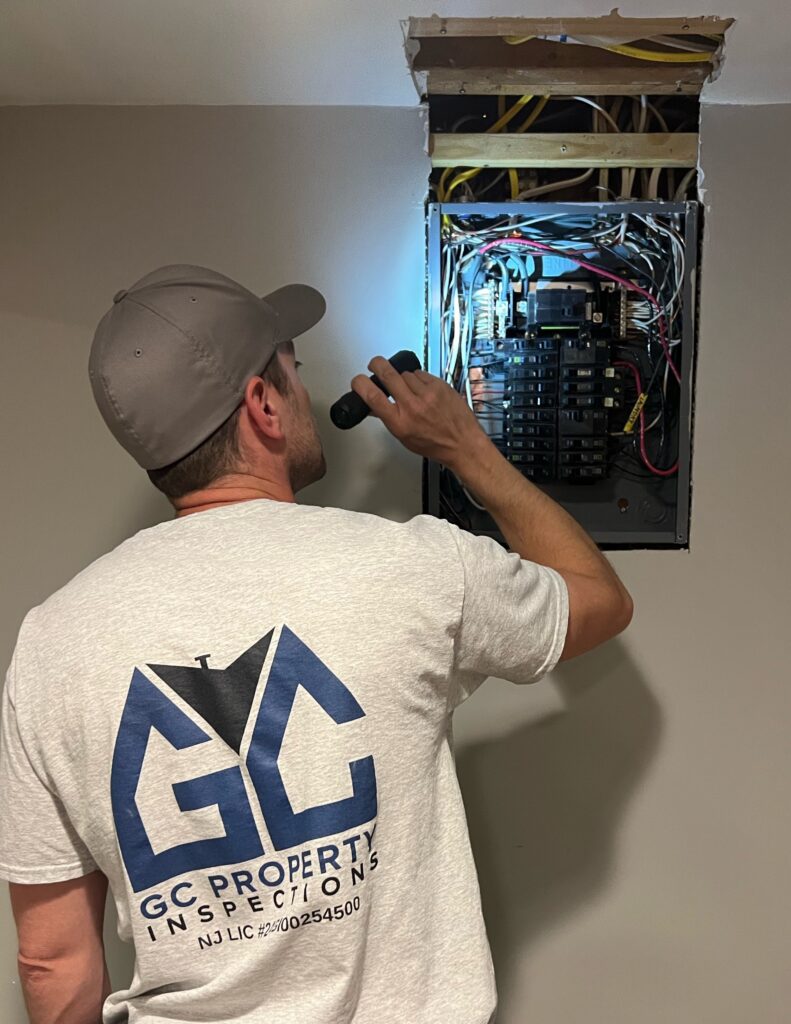
For nearly two decades, I have been actively working as an Electrical Contractor, and I continue to work daily in both Residential and Commercial Environments, including:
New construction
Renovations, remodels, and additions
Service work and electrical troubleshooting
Electrical panel upgrades and service changes
Grounding and bonding systems
Coordination with plumbing, HVAC, framing, and finish trades
Diagnosing safety hazards, improper installations, and code deficiencies
This ongoing, hands-on work provides a level of practical understanding that goes far beyond textbook knowledge or visual-only inspections.
Why an Electrical Trade Background Is Unique
Electricians are involved in nearly every phase and system of a building. Unlike some trades that focus on one specific area, electrical work requires coordination with all major systems in a home.
An electrical tradesman must understand:
Structural framing (before wiring begins)
Plumbing and mechanical layouts
HVAC systems and controls
Bonding and grounding of building and its systems
Fire separation and penetration sealing
Exterior systems, utilities, and service entrances
Because nearly everything in a modern home either uses electricity or must be bonded to it, electricians routinely see how all trades intersect. This broad exposure builds a deeper understanding of the home as a complete system, not just a collection of parts.
Hands-On Troubleshooting vs. Surface-Level Observation
Many inspectors rely heavily on visual indicators. While visual inspections are important, true understanding often comes from diagnosing why something is happening.
As an electrical contractor, troubleshooting is a daily responsibility. That means:
Tracing failures to their source
Understanding load demands and system limitations
Identifying improper installations that may still appear functional
Recognizing safety hazards before they become failures
This mindset translates directly into inspections that go beyond what is immediately visible.
How This Compares to Other Inspector Backgrounds
Many excellent inspectors come from a variety of professional paths. Some have experience in general contracting, construction management, or related fields. Each background brings value.
However, general contracting experience often focuses on project oversight rather than hands-on system-level diagnostics. Electrical work, by contrast, requires constant interaction with every major trade and strict attention to safety, code compliance, and real-world performance.
The difference is not about superiority—it’s about depth and applicability of experience when evaluating complex home systems.
What Clients Should Look for in an Inspector’s Background
When selecting a home inspector, consider asking:
What trade experience do they have?
Are they actively working in construction or service work today?
Do they understand how systems interact—not just how they look?
Can they explain why an issue matters, not just that it exists?
An inspector with hands-on trade experience is often better equipped to recognize patterns, anticipate hidden issues, and explain findings clearly and accurately.
Experience That Adds Real Value
A home inspection is a critical decision point, often involving one of the largest investments a person will make. The value of an inspection is not measured by the length of the report, but by the insight behind it.
My background as an electrical contractor—combined with nearly two decades of active fieldwork—allows me to approach inspections with a systems-based, real-world perspective. The goal is not to alarm clients, but to provide clarity, safety awareness, and practical understanding.
When experience matters most is when it helps clients make informed, confident decisions about their home.
If you have questions about how professional experience impacts the inspection process, I’m always happy to discuss what to look for and why it matters.
.